
Supplier Approval Workflow for Halal Meat Ingredients
A practical QA workflow for approving halal meat ingredients and enzyme suppliers, from intake documentation to plant trials, reorder controls, and change notification.
Request pricing A practical QA workflow for approving halal meat ingredients and enzyme suppliers, from intake documentation to plant trials, reorder controls, and change notification.
Request pricingFor a halal meat processor, supplier approval is not a purchasing formality. It is a control point that protects halal integrity, label accuracy, process consistency, and production continuity.
When the ingredient is an enzyme processing aid, the approval workflow needs extra discipline. QA teams must confirm source suitability, manufacturing controls, residue expectations, documentation completeness, and how the ingredient behaves in the actual plant environment.
Amanah Catalytics supports QA, procurement, and production teams with a documentation-first approval process for meat-processing enzyme solutions. If you are evaluating a halal enzyme supplier for meat processing, the workflow below can help structure intake, trial approval, and reorder control without slowing down operations.
Enzymes can support tenderization consistency, yield management, texture standardization, and process repeatability. But in halal meat processing, performance is only one part of approval.
QA teams also need confidence that the supplier can provide:
A strong approval process turns those expectations into gates.
Start with a controlled supplier intake form. The goal is to define the application before reviewing paperwork.
Capture:
This prevents a common approval failure: reviewing a technically suitable ingredient for the wrong process condition.
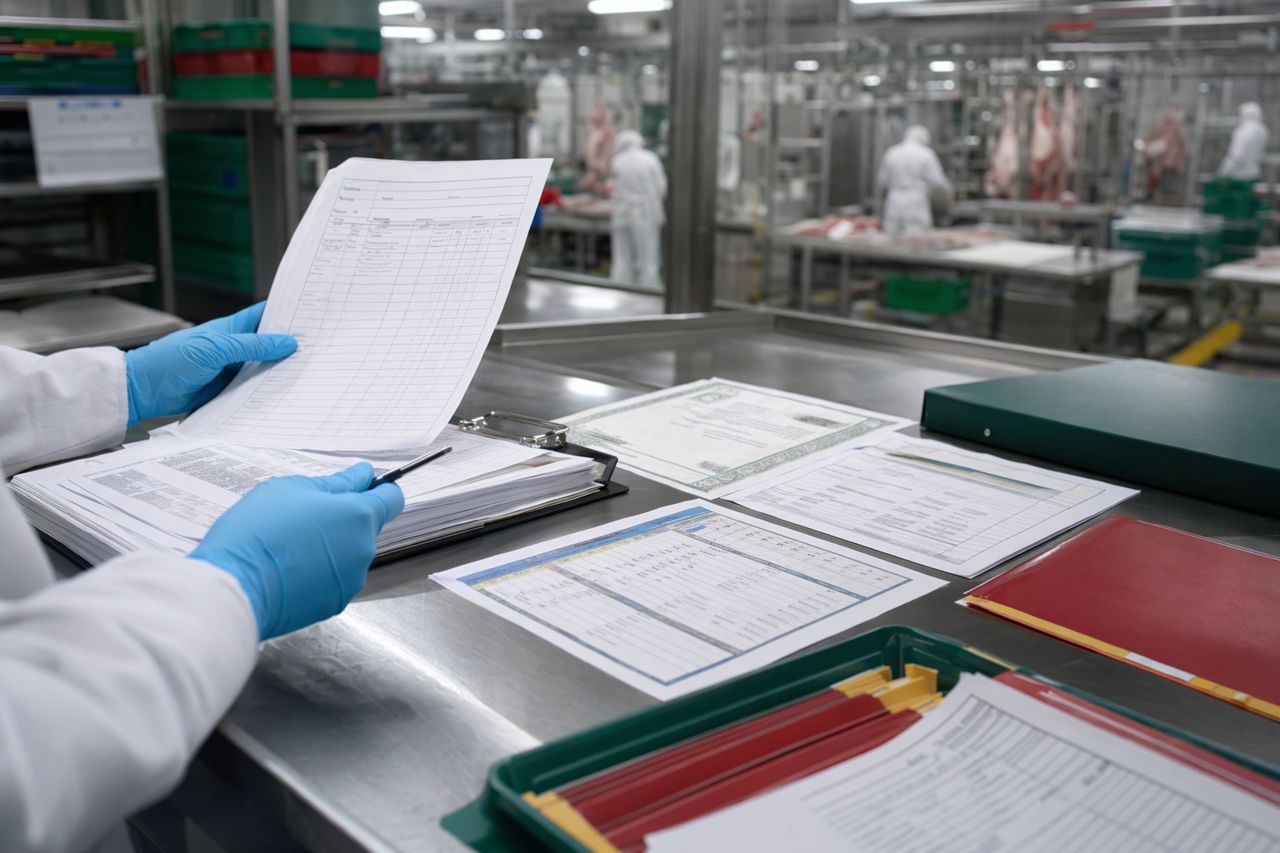
Before a sample reaches production, request a complete documentation package. For halal meat processors, a partial pack should trigger a hold, not a workaround.
Typical review documents include:
Amanah Catalytics structures documentation so QA teams can file, review, and route approvals without chasing fragmented answers across departments.
Halal review should not be reduced to a logo check. QA and halal assurance teams should verify how the enzyme is made, what it is carried on, and whether any processing aids, stabilizers, or carriers introduce concern.
Review questions include:
The approval file should make the halal decision auditable. If a customer, auditor, or certification body asks why the ingredient was accepted, the answer should be documented and easy to retrieve.
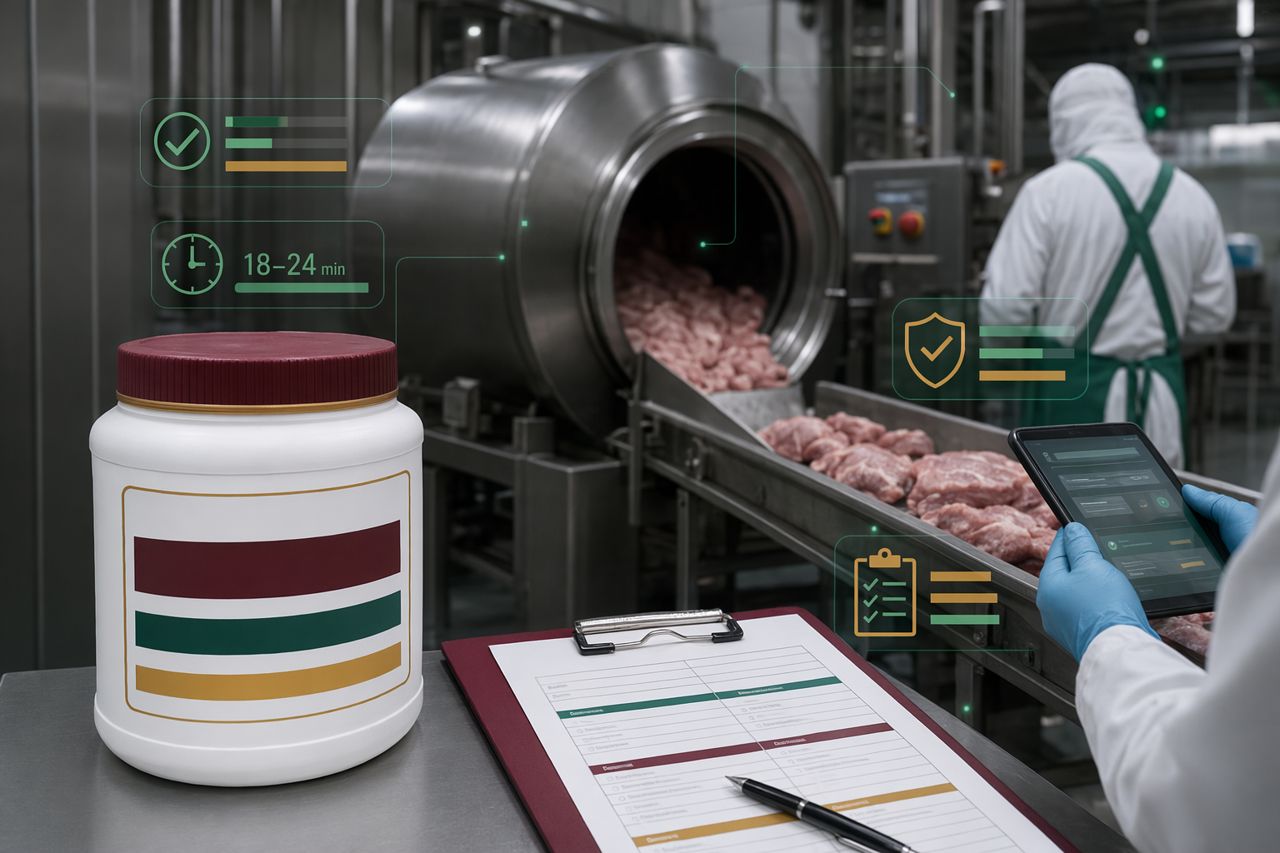
Enzyme use must be matched to the process. QA should review where the enzyme is introduced, how long it remains active, and how the process limits unintended carryover or over-tenderization.
Key considerations:
This is where technical approval and plant reality must meet. A supplier should not only provide a product; it should help define practical controls for the line.
A small-scale evaluation helps narrow the trial plan before production equipment is involved. QA and R&D can compare texture, purge, sensory attributes, and handling behavior against the current process.
Bench evaluation should answer:
The output should be a written plant-trial brief, not an informal sample note.
Plant trials should be run with defined acceptance criteria. For halal meat processors, include QA, production, halal assurance, and procurement where practical.
A useful trial protocol includes:
Avoid approving an enzyme based only on supplier claims or a single favorable run. The best approval decisions are made from observed performance under real plant constraints.
Procurement should evaluate more than price. Inconsistent supply can create formulation changes, emergency substitutions, and repeat halal review.
Commercial approval should confirm:
A low-cost ingredient can become expensive if QA must re-review substitutions every quarter.
Once technical, halal, and commercial reviews are complete, create a clear approval status in the supplier and material master.
Recommended statuses:
The approval record should list the exact enzyme product, supplier, manufacturing site, halal document reference, application, and permitted use conditions. This avoids uncontrolled use in a different product or line.
The first commercial order should be treated as a controlled transition from trial to routine use.
Incoming QA should verify:
If documentation is missing, the material should be placed on hold until QA release criteria are met.
Supplier approval does not end after the first order. Reorder control protects the plant from silent changes.
At reorder or periodic review, check:
For higher-risk ingredients, schedule a formal annual review. For stable, well-performing ingredients, a lighter periodic review may be sufficient, provided change control remains active.
QA teams often inherit supplier issues from rushed commercialization. Watch for these warning signs:
Each issue is preventable with a disciplined workflow.
Amanah Catalytics is built for compliance-minded meat processors that need enzyme support without documentation friction.
Our support can include:
The objective is simple: help QA approve with evidence, help production run with control, and help procurement buy from a supplier that can support repeat manufacturing.
Use this checklist before moving an enzyme ingredient from inquiry to approved status:
If your QA team is evaluating a new enzyme processing aid or replacing an inconsistent supplier, Amanah Catalytics can help you start with the right documents, trial plan, and commercial pathway.
Request a quote through the on-site form and include your product type, process step, target outcome, and halal documentation requirements.
Tell us your application and volume — we reply with pricing and lead time.