Marinade Injection vs Tumbling in Halal Meat Processing | QA Controls
Injection and tumbling affect yield, texture, residue control, and halal documentation. QA guidance from a halal enzyme supplier for meat processing.
Request pricing Injection and tumbling affect yield, texture, residue control, and halal documentation. QA guidance from a halal enzyme supplier for meat processing.
Request pricingFor a halal meat processor, marinade delivery is not only a yield or texture decision. It is a QA control point that affects ingredient traceability, residue management, label confidence, sanitation verification, and batch-to-batch consistency.
Injection and tumbling can both support high-quality halal meat production. The right choice depends on product format, throughput, target eating quality, brine composition, and the level of documentation your QA team needs at each step.
Amanah Catalytics supports processors evaluating enzyme-enabled marinades and tenderizing systems with halal suitability, documentation readiness, and plant-trial support. If you are comparing injection, tumbling, or a combined process, the controls below are where QA value is usually won or lost.
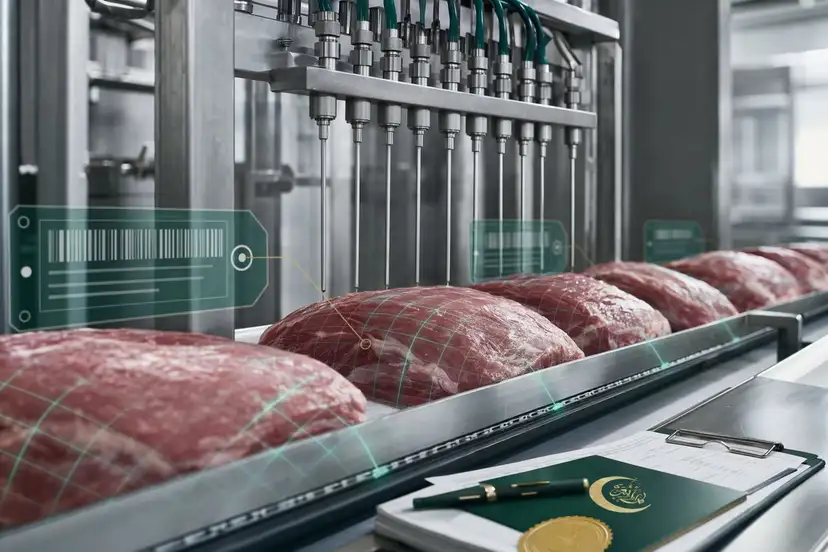
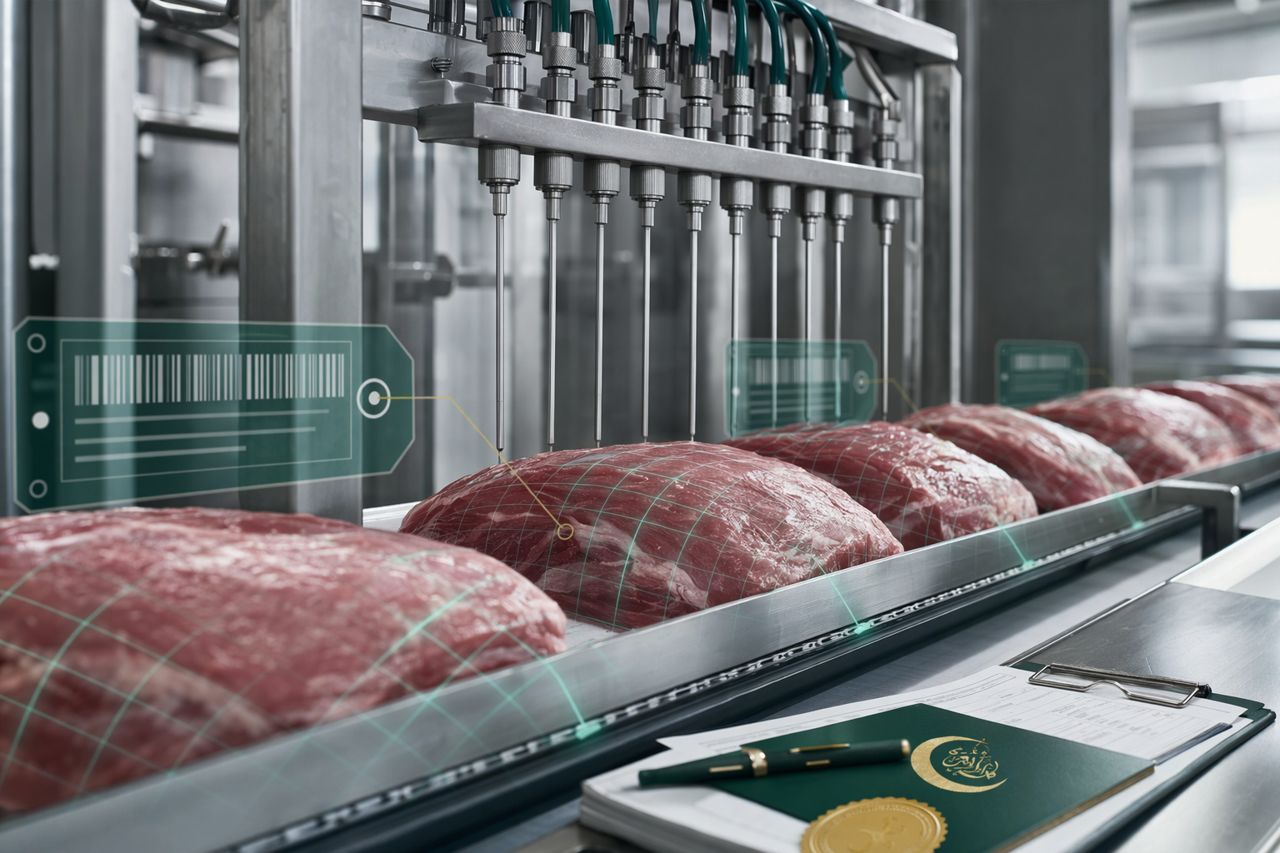
Injection introduces marinade through needles into whole-muscle or formed meat systems. It is often selected when a processor needs faster uptake, more uniform internal distribution, and tighter control over target pickup.
QA value:
QA watchpoints:
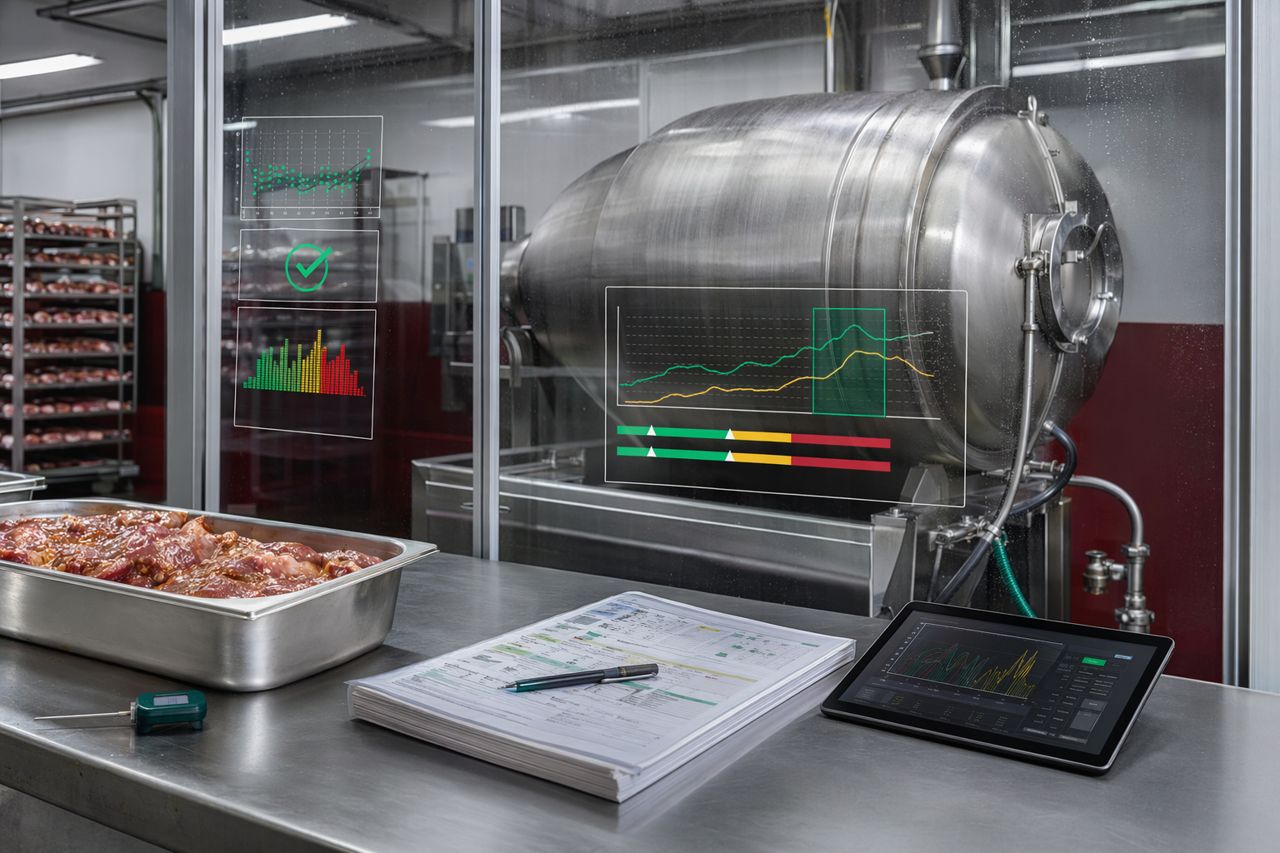
Tumbling applies mechanical action, often under vacuum, to help marinade distribute across the product surface and into muscle structure over time. It is frequently used for boneless pieces, strips, cubes, and products where surface coverage and protein extraction are central to texture.
QA value:
QA watchpoints:
Enzyme-enabled marinades may be used to support tenderness, bite consistency, processing tolerance, or yield stability. For halal operations, the technical question is never just whether an enzyme performs. It is whether the enzyme solution is suitable for halal production, supported by documentation, and controllable under plant conditions.
Amanah Catalytics approaches enzyme selection around four QA requirements:
| QA question | Injection may fit better when... | Tumbling may fit better when... |
|---|---|---|
| Product format | Whole-muscle portions need internal delivery | Pieces, strips, or cubes need even surface treatment |
| Throughput | Shorter process time is required | Batch dwell time is available |
| Yield control | Target pickup must be tightly managed | Overall batch absorption is acceptable |
| Texture risk | Internal tenderness is the main concern | Surface texture, binding, and bite are the main concerns |
| Documentation | Injection settings can be linked to lot records | Batch drum records and load parameters are easier to manage |
| Sanitation | Needle sanitation can be verified | Drum sanitation and segregation are simpler for the line |
| Residue management | Drip loss must be measured after injection | Excess marinade recovery must be reconciled |
Before any line trial, QA should review the full ingredient stack. That includes enzyme preparation, carrier, anticaking agents, processing aids, flavors, acids, salts, phosphates, sweeteners, and any solvent or fermentation-related declarations relevant to halal review.
Ask for:
Injection needles, brine tanks, filters, hoses, tumblers, paddles, and transfer bins can all become cross-contact points. QA teams should define whether the marinade system is dedicated, sequenced, or validated through cleaning.
For halal assurance, line clearance records should show:
Whether injecting or tumbling, the marinade must remain consistent across the batch. Variation in mixing order, hydration time, temperature, or hold time can change distribution and eating quality.
Recommended controls include:
Yield is not only the amount added. QA should also monitor how much remains through rest, thermal processing, chilling, packaging, and distribution.
Useful plant metrics include:
These measures help determine whether the process is delivering sellable yield, not just temporary uptake.
Enzymes require process discipline. Under-controlled use can create soft texture, uneven bite, or batch variation. A practical plant trial should define the acceptable sensory window before production begins.
QA and operations should align on:
Some processors use injection followed by tumbling. This can improve internal distribution while allowing surface coating, gentle mixing, and equilibration.
A combined approach may be useful for:
The QA risk is added complexity. Each step must be recorded, controlled, and justified. If the combined process improves yield but increases sanitation burden or documentation gaps, it may not be the best operational choice.
A strong trial does not need to be complicated. It needs to be controlled.
When choosing a halal enzyme supplier for meat processing, ask questions that connect directly to plant risk:
Injection offers speed, internal delivery, and precise process linkage. Tumbling offers surface uniformity, batch mixing, and texture development. In halal meat processing, the better choice is the one your QA system can document, verify, and repeat.
Amanah Catalytics helps halal meat processors evaluate enzyme-compatible marinade systems with documentation-ready support, plant-trial discipline, and supplier reliability.
Planning a marinade, tenderizing, or yield-consistency trial? Use the on-site request a quote form to share your product format, process type, halal documentation needs, and target outcome. Our team will respond with a practical supply and trial-support recommendation.
Tell us your application and volume — we reply with pricing and lead time.